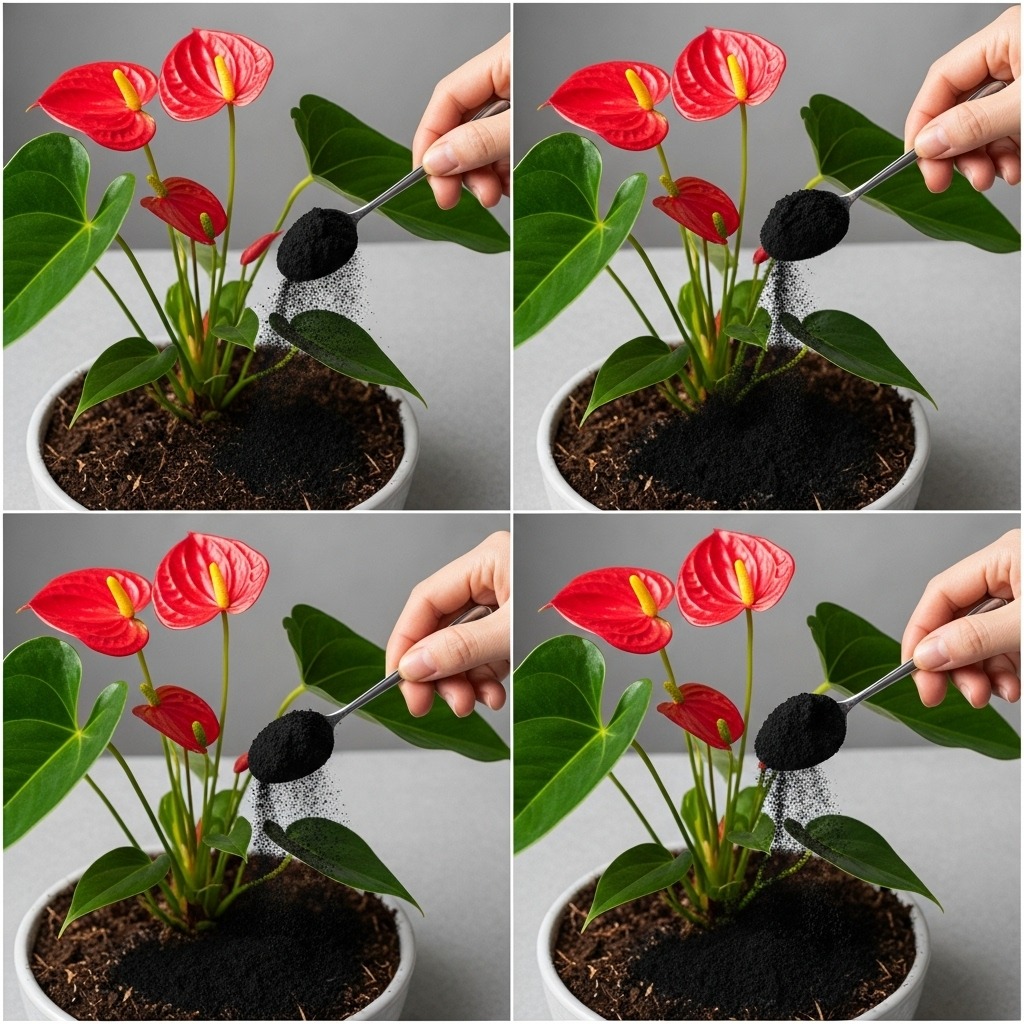
How to Make Your Anthurium Bloom Beautifully and Thrive
Anthuriums, also known as the “flamingo flower” or “laceleaf,” are popular for their glossy, colorful spathes and beautiful, shiny green leaves. They are a fantastic choice for indoor plants, as their striking appearance adds elegance to any room. However, some Anthuriums, after initially blooming, may stop producing flowers and seem to only grow leaves. If this is happening to your plant, don’t worry—there are ways to encourage your Anthurium to bloom again and thrive. In this guide, we’ll provide you with expert tips on how to care for your Anthurium and ensure it stays healthy, vibrant, and full of blooms.
Understanding the Needs of Anthurium
Anthuriums are tropical plants that naturally grow in shaded or partially shaded environments. Although they can tolerate a small amount of direct sunlight, they should not be exposed to harsh, direct sun, as this can burn the delicate leaves. The best light for an Anthurium is bright, indirect light, which will help it produce the most vibrant flowers and leaves.
Light Requirements: Anthuriums prefer moderate or filtered sunlight. Direct sunlight, especially in the afternoon, can scorch the leaves and hinder growth. Place your Anthurium in a spot where it gets bright, indirect light, such as near a window with sheer curtains or in a room with plenty of natural light.
Watering Needs: One of the most important aspects of Anthurium care is proper watering. While these plants enjoy humidity and moist soil, they do not like being overwatered. Water your Anthurium regularly, but make sure the soil does not stay soggy. To determine if it’s time to water, stick your finger into the soil—if it feels moist, wait a few days. If the soil is dry, it’s time to water.
Soil: Anthuriums prefer a well-draining potting mix that retains moisture but doesn’t get waterlogged. A mix designed for tropical plants or a mixture of peat, perlite, and pine bark works well.
Humidity: Being native to tropical regions, Anthuriums enjoy higher humidity levels. If the air in your home is dry, especially in winter, consider increasing the humidity around your plant. You can do this by misting the leaves, placing the pot on a tray filled with water and pebbles, or using a humidifier.
Fertilizing for Blooming
To encourage your Anthurium to bloom and produce lush foliage, proper fertilization is essential. A balanced fertilizer will provide the necessary nutrients to support growth and flowering. However, for optimal results, specific nutrients are needed. A great combination includes bone meal, which is high in phosphorus, and charcoal, which provides essential minerals and improves soil structure.
Preparing the Fertilizer Solution
To make the fertilizer solution for your Anthurium, you will need the following:
1 liter of water (preferably chlorine-free water)
Bone meal (you can find this at any gardening store or agricultural supplier; calcinated bone meal is a good option)
Charcoal (not the used kind from your barbecue grill, but fresh charcoal available at garden stores or online)
Here’s how to prepare the solution:
