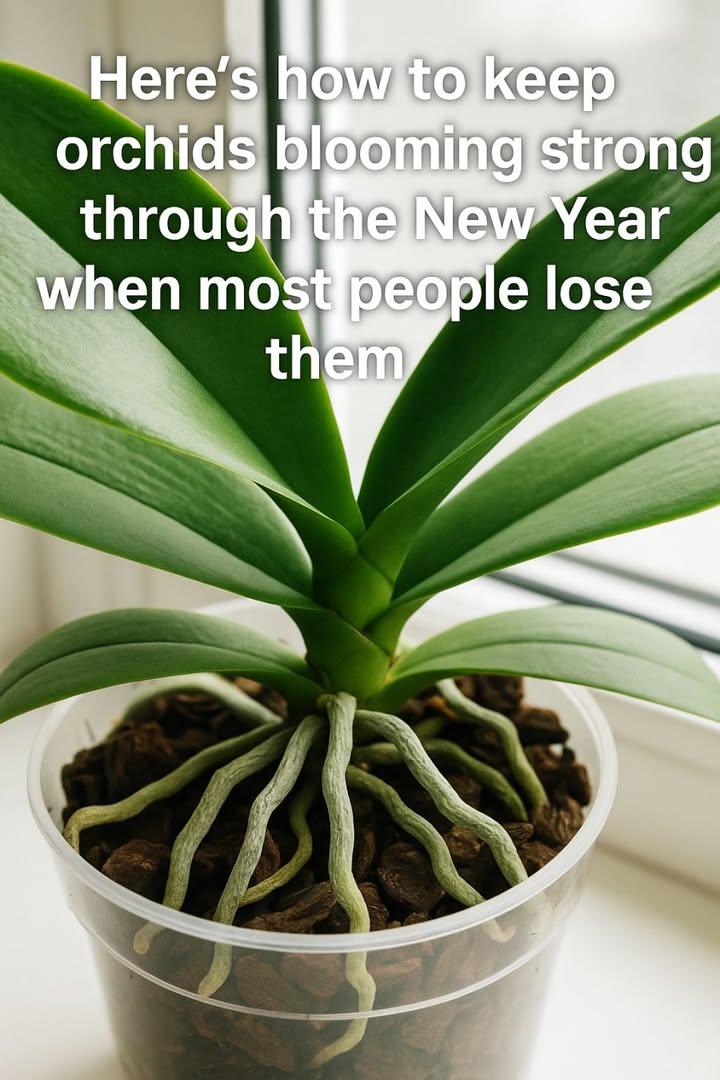
Orchids need nutrition to sustain flowers and encourage reblooming.
a. Type of Fertilizer
Use a balanced, water-soluble fertilizer (20-20-20) diluted to 1/4–1/2 strength.
“Bloom booster” formulas high in phosphorus can prolong flowering.
b. Frequency
Fertilize every 2–3 weeks during blooming.
Reduce frequency in winter if plant growth slows.
c. Application Tips
Apply to moist medium, never dry roots.
Avoid overfertilization: brown tips and leaf burn are signs of excess nutrients.
7. Pruning and Deadheading
Removing spent flowers encourages energy redirection to roots and future blooms.
a. How to Deadhead
Cut back the flower spike after blooms fade.
For Phalaenopsis, cut just above the node (bump) for potential rebloom.
b. Leaf Maintenance
Remove yellow or damaged leaves to prevent pests and disease.
Avoid cutting healthy leaves—they store energy for future flowering.
8. Repotting: Giving Roots Room to Breathe
Orchids grow in specialized media like bark or sphagnum moss, not soil. Repotting is essential every 1–2 years.
a. Signs Your Orchid Needs Repotting
Medium is breaking down or compacted.
Roots are growing out of the pot excessively.
Water isn’t draining properly.
b. How to Repot
Remove orchid gently from old pot.
Trim dead or rotten roots with sterilized scissors.
Place in fresh orchid medium.
Use a pot with good drainage.
Tip: Repot after flowering, not during, to avoid stress.
9. Supporting Flower Spikes
Long blooms may need support to prevent drooping.
Use stakes or clips to hold spikes upright.
Avoid tying too tightly; clips should support, not constrict growth.
10. Common Issues Through Winter
Even with care, orchids face challenges:
a. Bud Drop
Causes: sudden temperature change, low humidity, or overwatering.
Solution: stabilize environment and reduce stress.
b. Root Rot
Cause: overwatering, poor drainage.
Solution: remove affected roots, repot in fresh medium.
c. Pests
Mealybugs, spider mites, and aphids can attack orchids indoors.
Wipe leaves with alcohol-dipped cotton or use insecticidal soap.
11. Encouraging Reblooms
To keep orchids flowering into the New Year:
Ensure slight night/day temperature differences to trigger spikes.
Continue moderate fertilization during dormant periods.
Maintain consistent humidity and light.
Monitor roots: healthy, green roots indicate readiness for rebloom.
12. Advanced Techniques for Enthusiasts
a. Orchid Rest Period
After flowering, some orchids benefit from a rest period with reduced water and fertilizer.
b. Controlled Lighting
Use grow lights to extend day length to 12–14 hours to mimic tropical conditions.
c. Airflow Management
Gentle circulation prevents fungal growth without drying leaves.
13. Environmental Hacks
Place orchids near a window with indirect light but avoid frost.
Use reflective surfaces to maximize available light in winter.
Avoid placing near heat vents; dry air accelerates flower fading.
14. Nutritional Boosts
Add calcium or magnesium supplements sparingly to prevent nutrient deficiencies.
Avoid high nitrogen fertilizers during blooming—they encourage leaves but not flowers.
15. Troubleshooting Common Mistakes
Problem Cause Solution
Flowers drop early Drafts or temp shock Stabilize temperature
Yellow leaves Overwatering Adjust watering schedule
Root rot Poor drainage Repot in fresh bark
Slow rebloom Insufficient light Provide supplemental light
16. Maintaining Orchids Post-Bloom
Remove dead spikes and spent flowers.
Keep watering moderate, adjusting for reduced growth.
Continue feeding lightly every 2–3 weeks.
Maintain stable environmental conditions to prepare for next bloom cycle.
17. Seasonal Considerations
Winter: Short days, low humidity → adjust watering, supplement light.
Spring: Longer days, higher humidity → resume regular fertilization.
Summer: Bright indirect light, stable watering.
Fall: Prepare for slight cooler nights to stimulate next bloom.
18. Psychological Aspect of Orchid Care
Caring for orchids promotes mindfulness and patience.
Observing blooms develop reinforces connection with natural rhythms.
Small, daily adjustments prevent burnout or neglect.
19. Optional Enhancements
Humidity domes: For orchids in dry rooms.
Decorative stakes and supports: Keeps flowers upright.
Reflective surfaces behind orchids: Increase light exposure.
Fertilizer spikes: Slow-release options for minimal maintenance.
20. Summary Recipe: Orchid Care Through the New Year
Ingredients:
Healthy orchid plant
Bright, indirect light source
Room-temperature water
Orchid fertilizer (balanced or bloom-specific)
Humidity source (tray, humidifier, or grouping)
Stakes/clips for spikes
Well-draining potting medium
Steps:
Place orchid in bright, indirect light (supplement if winter days are short).
Water moderately, checking moisture before each watering.
Maintain 50–70% humidity through trays or humidifiers.
Keep daytime temp ~70–75°F and nighttime ~60–65°F; slight fluctuation promotes blooms.
Fertilize every 2–3 weeks at ¼ strength; reduce during dormancy.
Deadhead spent flowers and trim damaged leaves.
Repot only after flowering if medium breaks down.
Support long spikes with stakes or clips.
Monitor for pests and remove promptly.
Observe energy of roots and leaves; adjust care to maintain health.
Outcome:
Vibrant blooms lasting longer through winter
Healthy roots and leaves ready for rebloom
Orchids thriving into the New Year and beyond
21. Final Thoughts
Keeping orchids blooming through the New Year is about consistency, observation, and gentle care. By understanding light, temperature, water, nutrition, and pest management, you can extend bloom life, prevent common mistakes, and enjoy these exquisite plants long after most people lose theirs.
The New Year doesn’t have to be a time of lost blooms. With these strategies, your orchids can be a lasting centerpiece of color, beauty, and natural elegance, reminding you that careful attention and small adjustments produce the most rewarding results.
