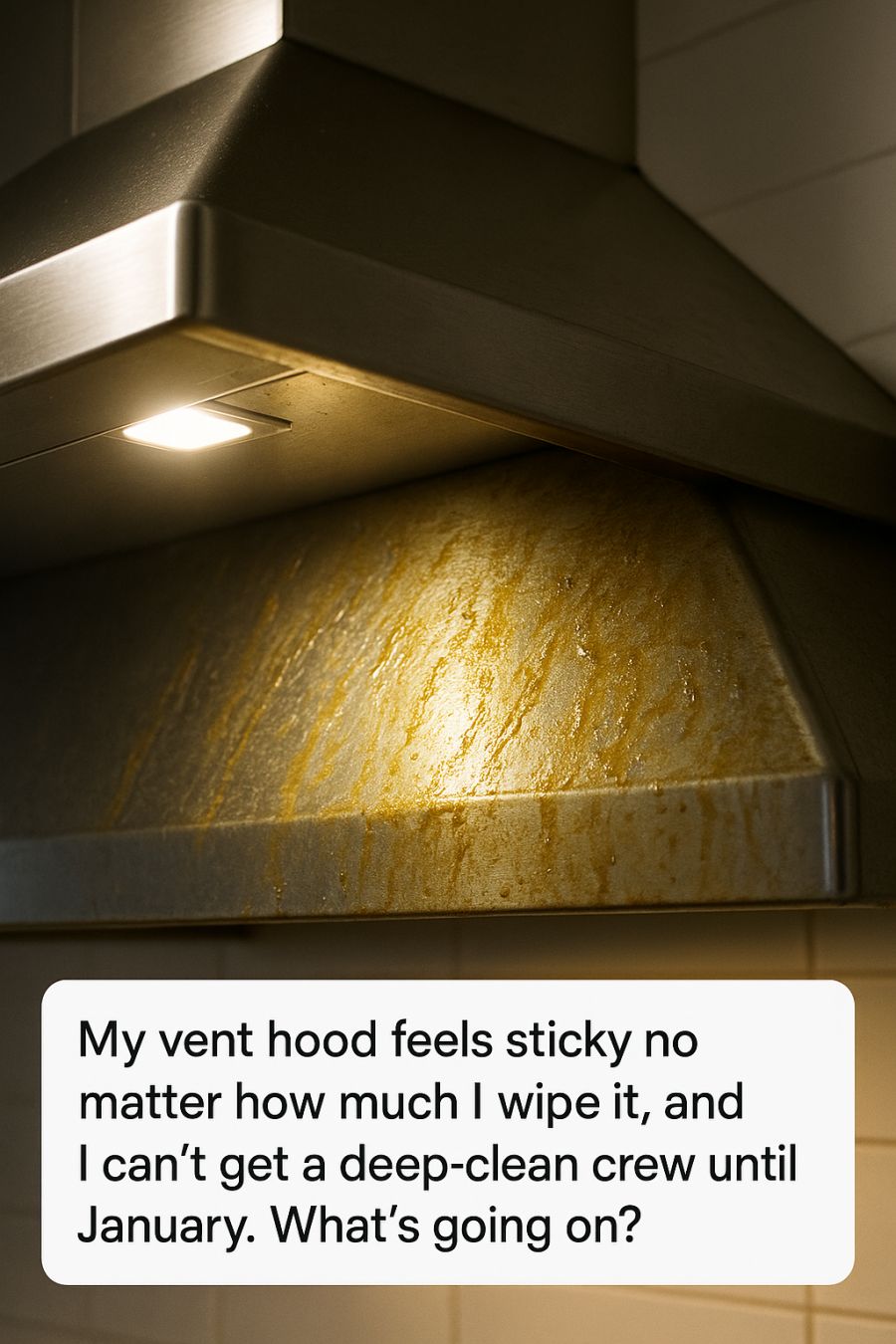
7. Common Cleaning Mistakes That Actually Spread the Grease
One common mistake is using a cloth that’s too wet, which can dilute your cleaning product and spread grease around instead of removing it. Similarly, using the same cloth for multiple areas without rinsing can transfer grease from one surface to another.
Another mistake is not allowing your cleaning solution enough time to work. Many degreasers need a few minutes to break down the grease effectively, so wiping too soon can leave behind a residue.
8. Viral Degreasing Hacks: What Actually Works on Sticky Hoods
Several viral cleaning hacks claim to cut through grease effectively, but not all are created equal. One popular method is using a paste of baking soda and water, which can be abrasive enough to scrub away grease but gentle enough not to damage surfaces.
Another effective hack involves using vinegar and dish soap, which can help emulsify the grease for easier removal. However, caution should be used with vinegar on certain materials, as it can be corrosive.
9. Safe Use of Heavy-Duty Degreasers While You Wait for the Pros
If you’re dealing with a particularly stubborn sticky residue, heavy-duty degreasers might be necessary. These products contain stronger chemicals designed to break down tough grease deposits. However, they should be used with caution to avoid damage to surfaces or harm to yourself.
Always follow the manufacturer’s instructions and use protective gear, such as gloves and masks, to avoid skin contact and inhalation of fumes. Ventilate your kitchen well while using these products.
10. Hidden Trouble Spots: Filters, Undersides, and Control Panels
While the exterior of your vent hood may be the most visible, areas like filters, undersides, and control panels can also harbor grease. Filters, in particular, can become clogged with grease, reducing their efficiency and contributing to overall stickiness.
Regularly remove and clean filters according to your vent hood’s manual, and don’t forget to wipe down less visible areas like control panels, which can also accumulate grease over time.
11. How to Keep the Stickiness From Coming Back Before January
To prevent stickiness from returning, establish a regular cleaning routine that includes using a degreaser at least once a week. This will help manage the buildup before it becomes too severe.
Additionally, consider using your vent hood’s fan every time you cook, as this can help capture grease particles before they settle on surfaces. Regularly check and clean your filters to ensure they are functioning properly.
12. When Persistent Stickiness Signals a Bigger Ventilation Problem
If your vent hood remains persistently sticky despite regular cleaning, it might indicate a ventilation issue. A clogged or inefficient vent system can fail to capture grease particles effectively, allowing them to settle on surfaces.
Inspect your ventilation system for any blockages or malfunctions. If you’re unsure, consulting a professional could help diagnose and resolve any underlying issues, ensuring your kitchen remains clean and comfortable.
One common mistake is using a cloth that’s too wet, which can dilute your cleaning product and spread grease around instead of removing it. Similarly, using the same cloth for multiple areas without rinsing can transfer grease from one surface to another.
Another mistake is not allowing your cleaning solution enough time to work. Many degreasers need a few minutes to break down the grease effectively, so wiping too soon can leave behind a residue.
8. Viral Degreasing Hacks: What Actually Works on Sticky Hoods
Several viral cleaning hacks claim to cut through grease effectively, but not all are created equal. One popular method is using a paste of baking soda and water, which can be abrasive enough to scrub away grease but gentle enough not to damage surfaces.
Another effective hack involves using vinegar and dish soap, which can help emulsify the grease for easier removal. However, caution should be used with vinegar on certain materials, as it can be corrosive.
9. Safe Use of Heavy-Duty Degreasers While You Wait for the Pros
If you’re dealing with a particularly stubborn sticky residue, heavy-duty degreasers might be necessary. These products contain stronger chemicals designed to break down tough grease deposits. However, they should be used with caution to avoid damage to surfaces or harm to yourself.
Always follow the manufacturer’s instructions and use protective gear, such as gloves and masks, to avoid skin contact and inhalation of fumes. Ventilate your kitchen well while using these products.
10. Hidden Trouble Spots: Filters, Undersides, and Control Panels
While the exterior of your vent hood may be the most visible, areas like filters, undersides, and control panels can also harbor grease. Filters, in particular, can become clogged with grease, reducing their efficiency and contributing to overall stickiness.
Regularly remove and clean filters according to your vent hood’s manual, and don’t forget to wipe down less visible areas like control panels, which can also accumulate grease over time.
11. How to Keep the Stickiness From Coming Back Before January
To prevent stickiness from returning, establish a regular cleaning routine that includes using a degreaser at least once a week. This will help manage the buildup before it becomes too severe.
Additionally, consider using your vent hood’s fan every time you cook, as this can help capture grease particles before they settle on surfaces. Regularly check and clean your filters to ensure they are functioning properly.
12. When Persistent Stickiness Signals a Bigger Ventilation Problem
If your vent hood remains persistently sticky despite regular cleaning, it might indicate a ventilation issue. A clogged or inefficient vent system can fail to capture grease particles effectively, allowing them to settle on surfaces.
Inspect your ventilation system for any blockages or malfunctions. If you’re unsure, consulting a professional could help diagnose and resolve any underlying issues, ensuring your kitchen remains clean and comfortable.
For Complete Cooking STEPS Please Head On Over To Next Page Or Open button (>) and don’t forget to SHARE with your Facebook friends.
