The smell is another critical indicator. A bad egg will emit a distinct sulfuric odor, which is unmistakably foul. If there’s any doubt after these sensory checks, it’s best to discard the egg. Ensuring that eggs are safe to consume is paramount, and these simple checks are easy to integrate into your kitchen routine.
6. Fridge Habits That Quietly Turn Good Eggs Into Floaters
Improper storage can accelerate the aging process of eggs, turning fresh eggs into floaters prematurely. Eggs should be stored in the coldest part of the refrigerator, ideally at temperatures below 40°F (4°C). The refrigerator door is not an ideal spot, as it experiences frequent temperature fluctuations.
Another key practice is to store eggs in their original carton. The carton helps protect eggs from absorbing strong odors and flavors from other foods in the fridge, which can affect their quality. Additionally, keeping eggs in the carton helps maintain their moisture and slows down the enlargement of the air cell.
7. Cracked, Washed, Or Warmed: Handling Mistakes That Speed Up Spoilage
Handling eggs with care is essential to maintaining their freshness. Cracked eggs should be used immediately or discarded, as the breach in the shell allows bacteria to enter and spoil the egg quickly. Similarly, washing eggs can remove the protective bloom, a natural coating that prevents bacteria from penetrating the shell.
Allowing eggs to sit at room temperature for extended periods can also hasten spoilage. Eggs should be returned to the refrigerator promptly after purchase and after each use. Maintaining consistent cold storage conditions prevents the air cell from enlarging rapidly, preserving the egg’s freshness.
8. How Long Eggs Really Last: Sell-By Dates Vs. Actual Freshness
Egg cartons typically display a sell-by date, which indicates the period during which the eggs are at their peak quality. However, eggs can remain safe to consume for several weeks beyond this date if stored properly. In general, eggs can last 3 to 5 weeks in the refrigerator from the date of purchase.
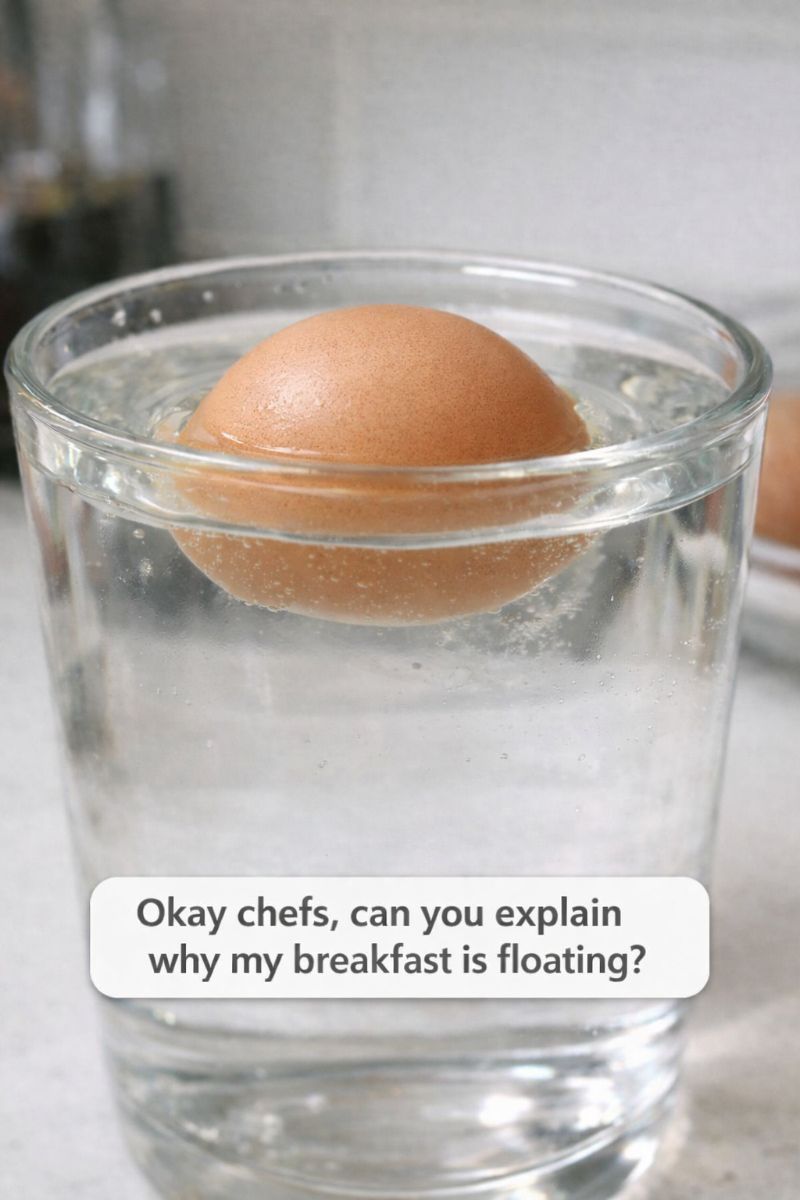
To gauge actual freshness, the float test and sensory checks are more reliable than the sell-by date alone. Eggs that are well past their sell-by date but still pass these checks can be used without concern. Understanding the distinction between sell-by dates and true freshness can prevent unnecessary waste and ensure safe consumption.
9. Smart Shopping: Choosing Eggs Less Likely To Fail The Float Test